August 13, 2026
Electrification is the backbone of modern living, yet many older homes rely on outdated systems that can become inefficient and unsafe over time. Upgrading the electrical panel in an older home is an essential step toward ensuring safety, energy efficiency, and the future-readiness of your living space. In older homes, infrastructure untouched for decades cannot keep up with contemporary demands. By understanding the requirements for an electrical panel upgrade, homeowners can make informed decisions that protect their property and loved ones.
Understanding the Basics of Electrical Panel Upgrades
An electrical panel acts as the central hub for your home's entire electrical network, expertly dividing incoming utility power into subsidiary circuits to protect against dangerous system overloads. In older homes, existing panels may have their physical and electrical capacities maxed out, resulting in tripped breakers or blown fuses under standard daily usage. Common indicators that your home needs an electrical panel upgrade include flickering lights, persistent outlet sparking, and the presence of outdated fuses rather than modern circuit breakers. Neglecting these underlying warning signs can lead to premature equipment failure, severe thermal damage, and extensive household loss over time.
Upgrading your panel comes with major long-term benefits, the foremost being enhanced safety and peace of mind. According to The Zebra, over 22% of non-residential fires are electrical fires caused by short circuits or wiring problems. Modern panels reduce these risks while increasing energy efficiency, lowering monthly utility bills, and seamlessly accommodating future technological advancements like electric vehicle charging. Modernizing this infrastructure restores baseline power stability, eliminates persistent voltage sags, and provides continuous defense against voltage spikes across all connected appliances.
Modern electrical standards enforced by national codes require safety features like dual-layer grounding and arc fault circuit interrupters that older panels simply cannot facilitate. Contrary to common misconceptions, an electrical panel upgrade is a necessary proactive safety investment rather than an unnecessary expense, and it should always be executed by licensed professionals rather than through risky DIY methods. Working with certified experts guarantees that every panel installation strictly respects official regional building requirements while ensuring optimal current distribution throughout the property.
Assessing Your Home's Electrical Needs
Evaluating your current setup involves inspecting panel capacity ratings and identifying warning signs like rust, localized heat, or frequent breaker trips. Mapping out existing circuits helps identify overloaded areas, revealing whether high-demand appliances share lines with lower-demand devices. These preliminary checks provide crucial diagnostic insight before proceeding with an electrical panel upgrade. Detailed circuit mapping also simplifies future home renovations by establishing clear operational boundaries and expansion capacities for existing branch lines.
Calculating overall power usage requires auditing the full wattage demand of every appliance and electronic device in your household. Accounting for future technology additions, such as smart home systems, HVAC expansions, or solar integrations, ensures your new system offers appropriate capacity reserves for decades to come. Consulting certified electricians brings expert clarity to these calculations, ensuring your home complies with current codes and local regulations. Professional guidance also prevents over-specifying equipment, keeping total project scope well aligned with actual power expectations.
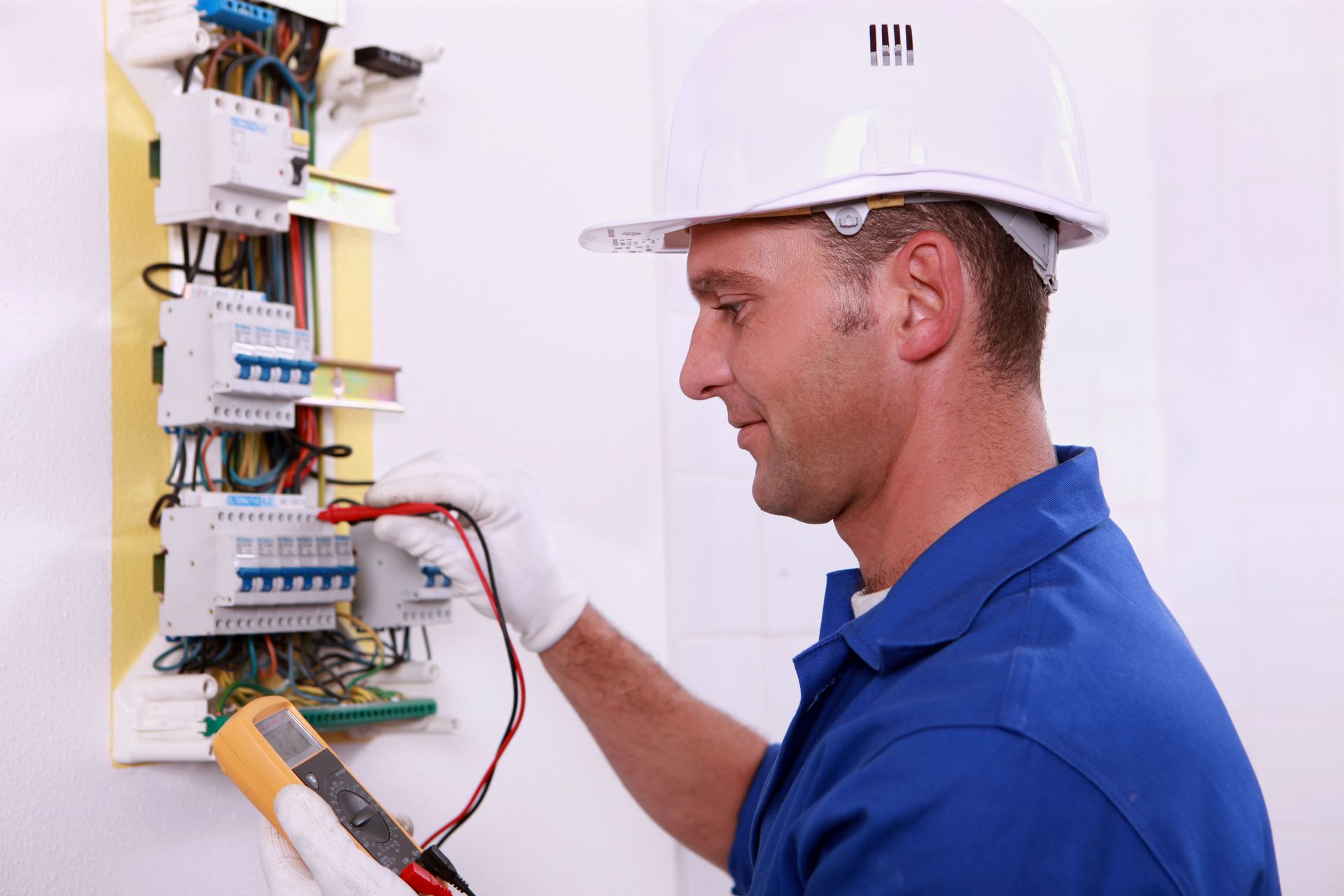
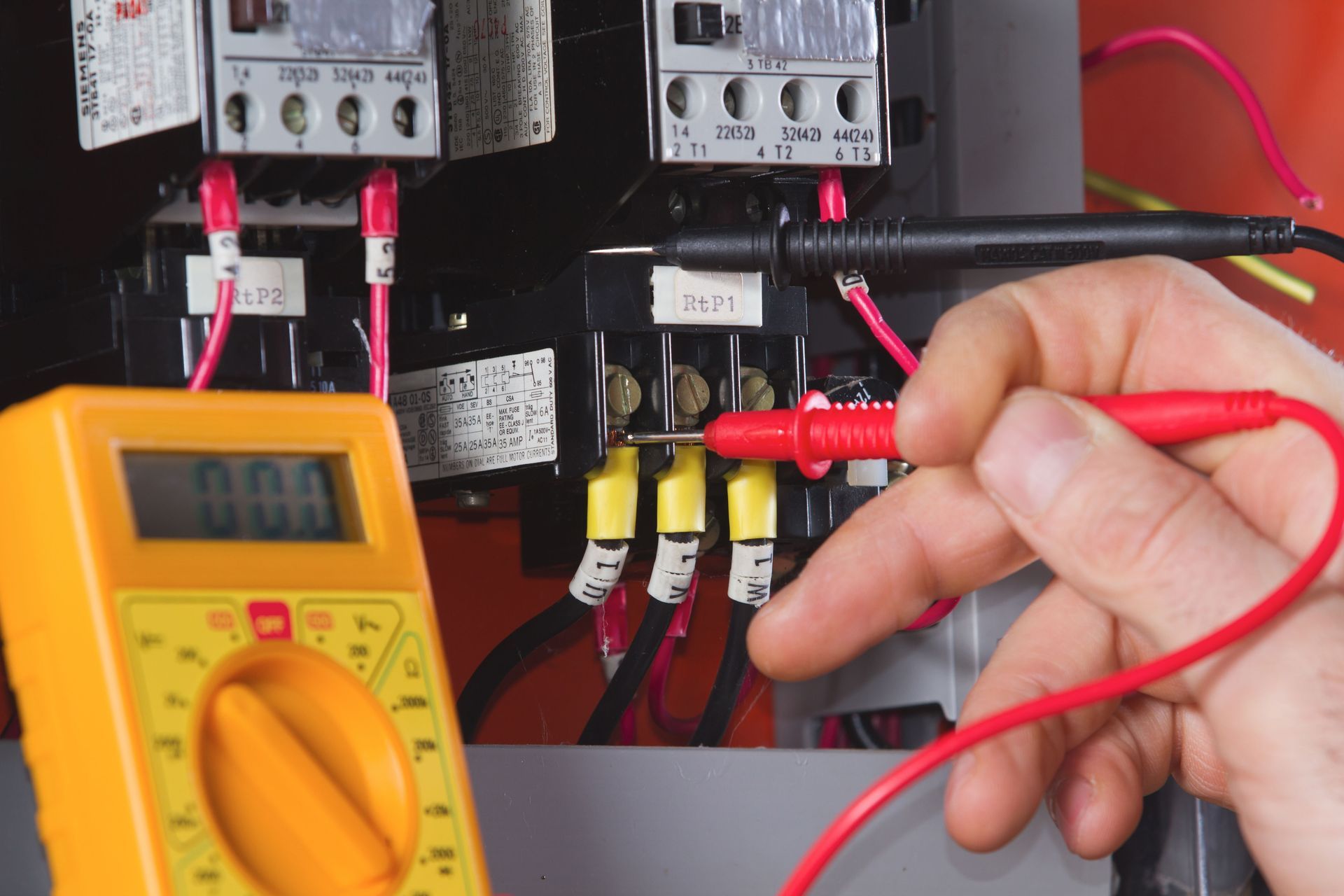
Comprehensive safety audits form a central component of preliminary preparations before embarking on an electrical panel upgrade. Electricians utilize specialized diagnostic tools, including thermal imaging, to identify frayed wiring, compromised connections, and potential hazard points hidden behind walls. This proactive approach ensures your infrastructure is fully prepared to support future energy expansions safely and efficiently. System inspections provide total peace of mind by identifying hidden electrical vulnerabilities well before high-demand devices are powered on.
Evaluating the Costs and Budgeting Considerations
Several factors affect the total cost of an electrical panel upgrade, including the age, capacity, and brand of your current unit. Necessary wiring updates, structural installation complexities, sub-panel additions, and regional labor rates also influence total expenses. Recognizing these variables enables accurate financial projections and prevents unexpected budget overruns during the installation process. Structural modifications needed to accommodate larger panel enclosures or heavy-duty service feeds can also impact overall labor estimations.
Obtaining and comparing itemized quotes from multiple licensed providers helps ensure competitive pricing and transparent service parameters. When analyzing estimates, consider warranty terms, contractor experience, material quality, and timeline flexibility alongside total upfront costs. Exploring available financing options, utility rebates, or energy-efficiency incentives can further offset initial capital expenditures. Thorough review of contract terms prevents unexpected fees related to municipal permitting, utility disconnect fees, or post-job inspection charges down the road.
Investing in a modern electrical panel yields long-term financial returns through improved energy management, reduced fire hazards, and increased overall home functionality. Upgraded systems lower risk profiles, which can favorably influence home insurance policies and increase overall property resale value. Strategic budgeting transforms this mandatory upgrade into a highly beneficial home improvement endeavor that strengthens structural integrity and enhances day-to-day household operations.
Executing the Installation Process
Preparing for installation requires choosing a certified electrician with extensive experience in historic and aging properties. Professionals manage the required permitting processes, coordinate utility shut-offs, and ensure complete compliance with municipal electrical codes. Careful contractor selection guarantees high safety standards and streamlined installation timelines. Experienced contractors also anticipate hidden wiring structural challenges common in older construction, ensuring seamless troubleshooting throughout project execution.
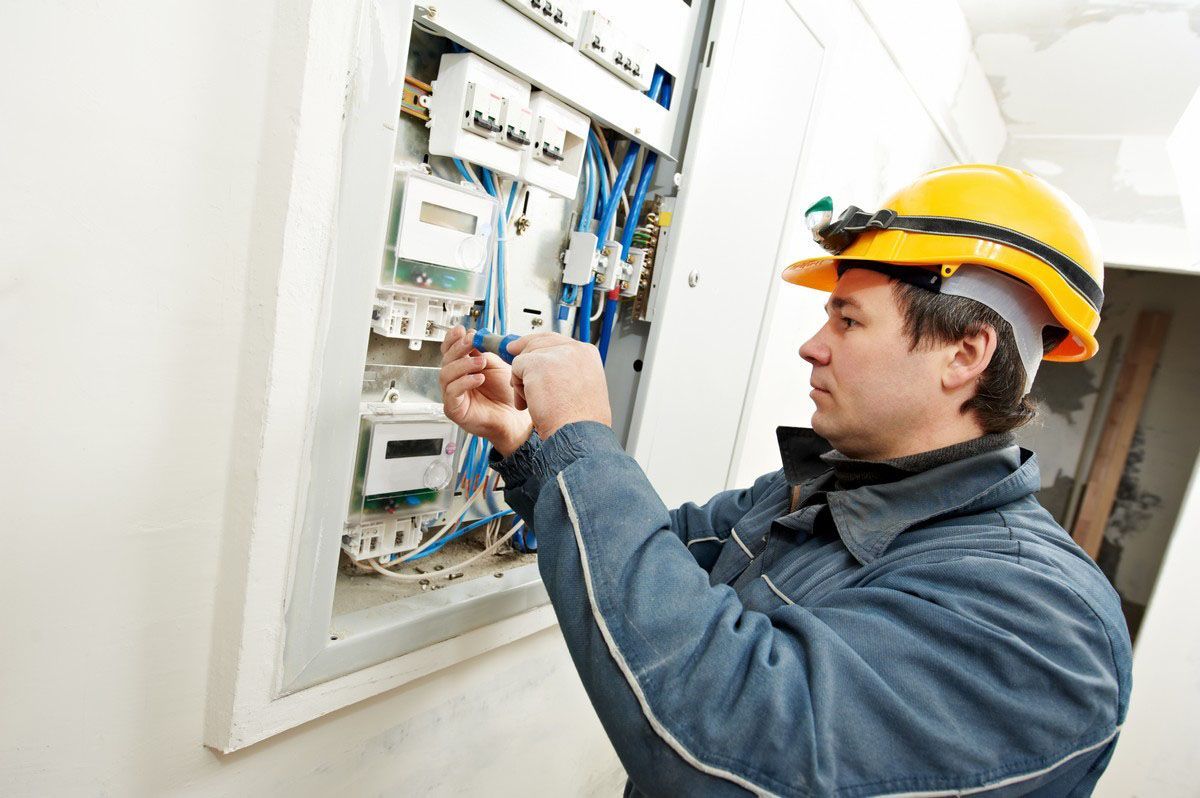
During the installation phase, technicians safely disconnect power, remove the obsolete unit, mount the new panel, and re-establish circuit connections. Depending on overall project complexity, the installation process generally spans several hours to a full day, during which power to the home is temporarily interrupted. Temporary power arrangements should be planned to minimize daily living disruptions and maintain critical household operations. Proper organization during this phase ensures sensitive electronic systems remain fully protected throughout the scheduled outage.
Following installation, rigorous post-upgrade testing and official code inspections verify that all individual circuits function correctly under full operational load. Electricians test breakers, grounding systems, and safety cut-offs to confirm fault-free operation across every room. Completing these final checks guarantees your upgraded system delivers immediate reliability, optimal energy efficiency, and long-term security. Official documentation from completed municipal inspections also validates system safety for future home buyers and local regulatory authorities.
Future-Proofing Your Home's Power Systems
Future-proofing involves strategically configuring your panel upgrade to accommodate emerging high-load technologies and expanding household needs. Integrating smart panels allows real-time energy tracking, automated load balancing, and seamless integration with renewable energy sources like solar power or battery storage. Designed for continuous growth, these advanced systems ensure your electrical framework adapts smoothly to changing household requirements over time. Automated energy insights empower homeowners to optimize usage habits, actively shaving energy costs during peak demand hours.
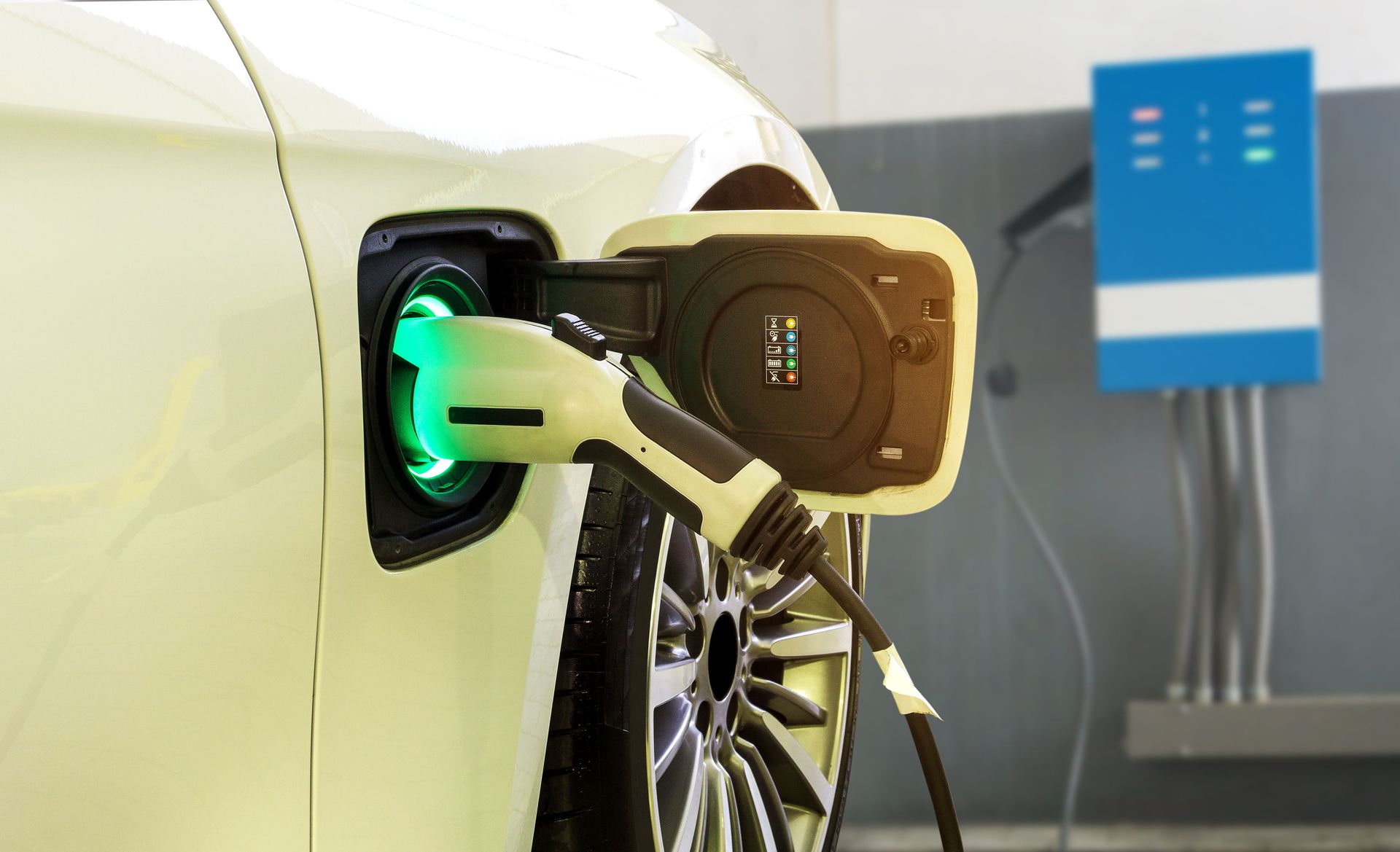
Integrating surge protection devices directly into your main panel safeguards delicate smart appliances, computers, and high-value electronics from unexpected electrical surges. Modern panels also facilitate seamless power distribution for home automation networks, whole-home backup generators, and dedicated electric vehicle chargers. These proactive enhancements prevent panel capacity bottlenecks and protect expensive digital investments from sudden failure. Whole-home protection ensures voltage anomalies from external grid events are neutralized long before reaching sensitive residential equipment.
Maintaining your electrical system requires periodic professional inspections to monitor breaker integrity and connection stability. Establishing routine maintenance habits prolongs panel lifespan, preserves operational efficiency, and maintains strict safety compliance. Preparing your home for future power demands ensures long-term comfort, reliability, and security for years to come. For more information about the services that we offer, reach out to our incredible team at H & J Electric LLC today!